
Let’s Go – STEM Trails
Original price was: £23.56.£16.64Current price is: £16.64.
Helping to Support Teaching and Learning
-
Outdoor STEM Teaching
-
Inspires and supports teachers in using the outdoor environment in their STEM teaching. Offers numerous trail ideas that link scientific concepts with technology, math, and engineering.
-
Developed by PSTT
-
Practising teachers from the Primary Science Teaching Trust (PSTT) developed the content to ensure it is practical and relevant for primary school teaching.
-
Adaptable Trails
-
Features trails that teachers can easily adapt to suit their own local environment. Offers flexibility in how to implement the trails.
-
Comprehensive Resource
-
The curriculum grid, glossary of STEM terms, and cross-curricular links guide educators. Covers biodiversity, habitats, electricity, and more, promoting a holistic understanding for children.
-
Supports Curriculum
-
Supports the ‘Working Scientifically’ aim in the Science curriculum.
Let’s Go – STEM Trails
Utilise your outdoor environment to teach STEM concepts to children.
Overview
-
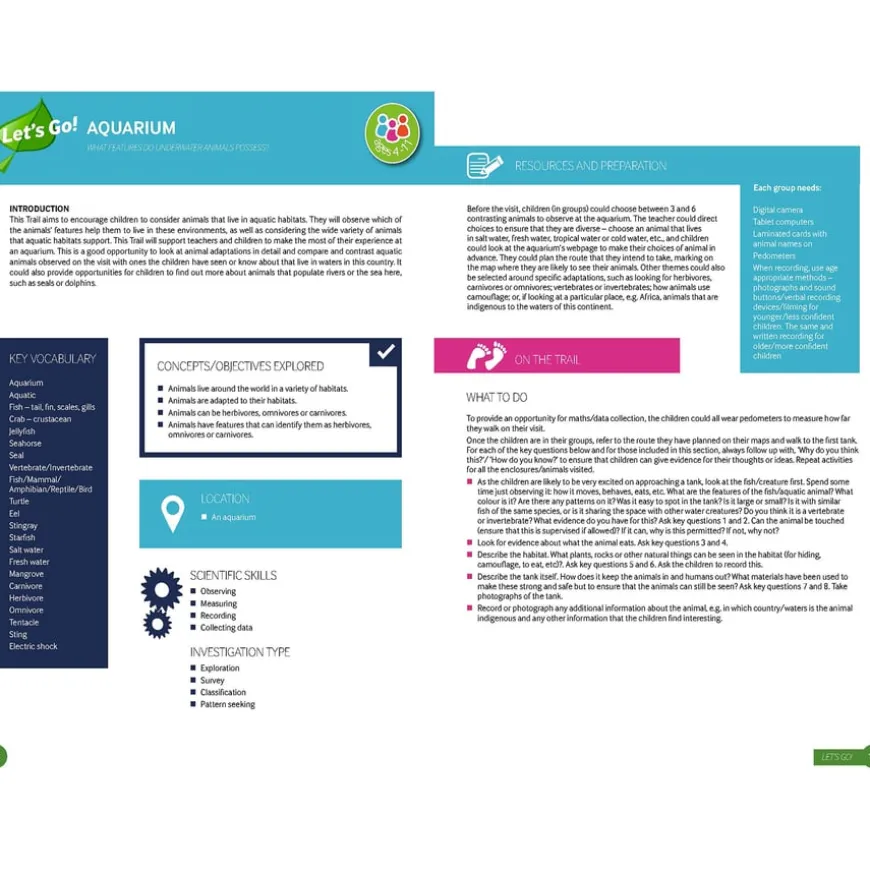
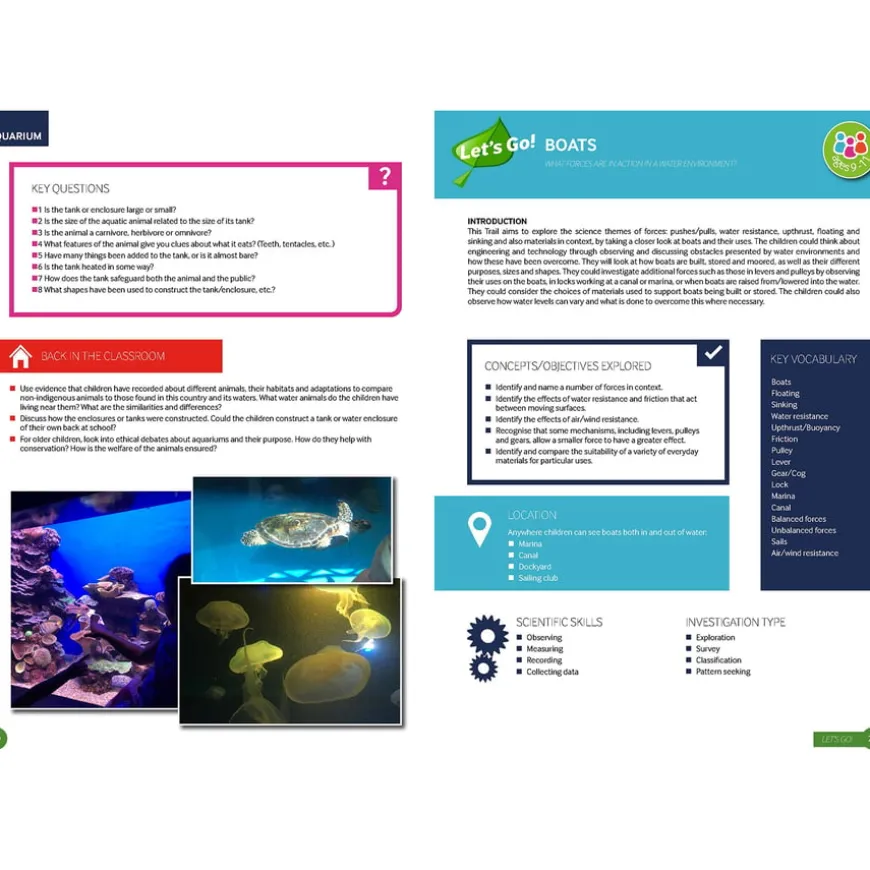
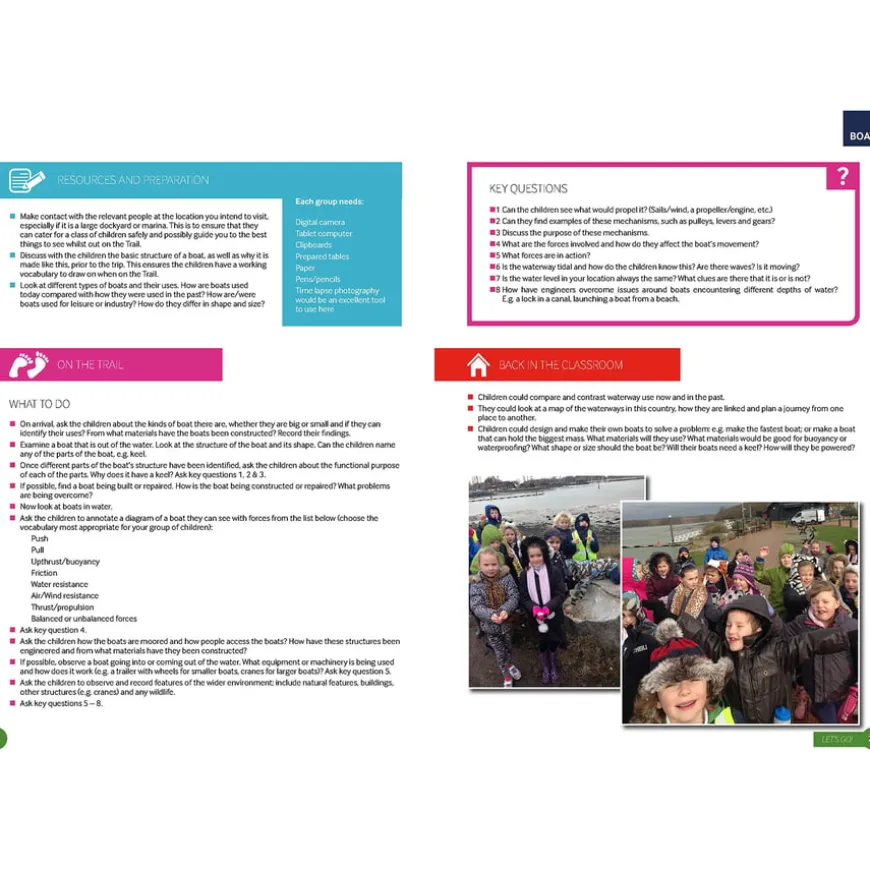
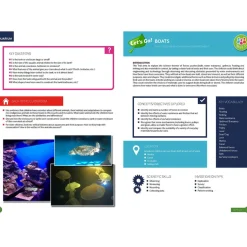
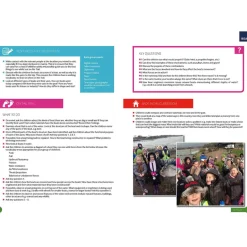
The book supports teachers with 29 trail ideas for delivering scientific concepts and linking to STEM subjects for children.
-
Teachers can enhance STEM lessons through outdoor learning with this practical resource that links concepts to real-world scenarios, integrating technology, maths, and engineering. Each adaptable trail includes objectives, required resources and equipment and health and safety considerations, fitting any school’s surroundings.
-
Developed by the Primary Science Teaching Trust (PSTT), the collection of trails was originally inspired by practising teachers who recognised that their outdoor areas were often an underused resource.
-
The book features a curriculum grid, glossary of STEM terms, and cross-curricular links. Covering topics such as animals, biodiversity, habitats, electricity, forces, plants, materials, and seasonal change, it enhances learning, ignites curiosity, and encourages exploration while benefiting physical and mental well-being.
Supports the National Curriculum
Science, Key Stage 1, Working Scientifically
Using their observations and ideas to suggest answers to questions.
Science, Lower Key Stage 2, Working Scientifically
Recording findings using simple scientific language, drawings, labelled diagrams, keys, bar charts, and tables.
Science, Upper Key Stage 2, Working Scientifically
Identifying scientific evidence that has been used to support or refute ideas or arguments.
Product Information
Overview
-
Paperback
-
80
Book Cover Type
Number of Pages
Be the first to review “Let’s Go – STEM Trails”
Related products

Babies & Toddlers
Babies & Toddlers

Book & Reading


Festivals & Celebrations
Boxes & Containers


Pe & Outdoor

Dens & Play Equipment


Pe & Outdoor
Exercise Books
Festivals & Celebrations

Early Years
Festivals & Celebrations


Art & Craft

Construction

Festivals & Celebrations
Reviews
There are no reviews yet.