
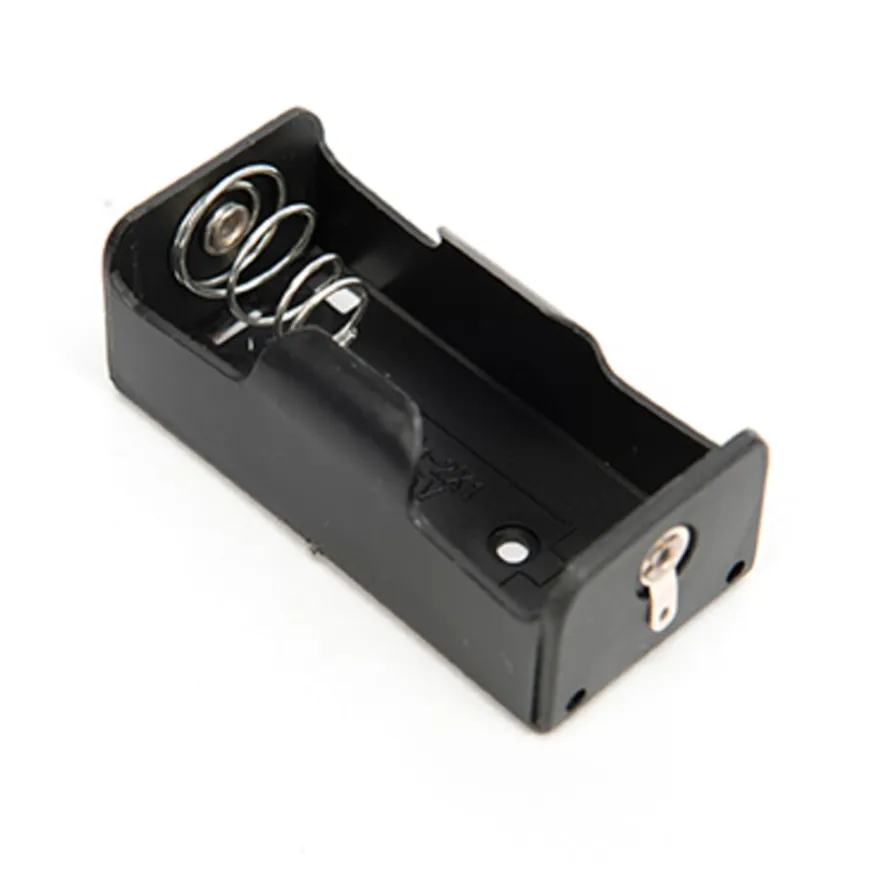
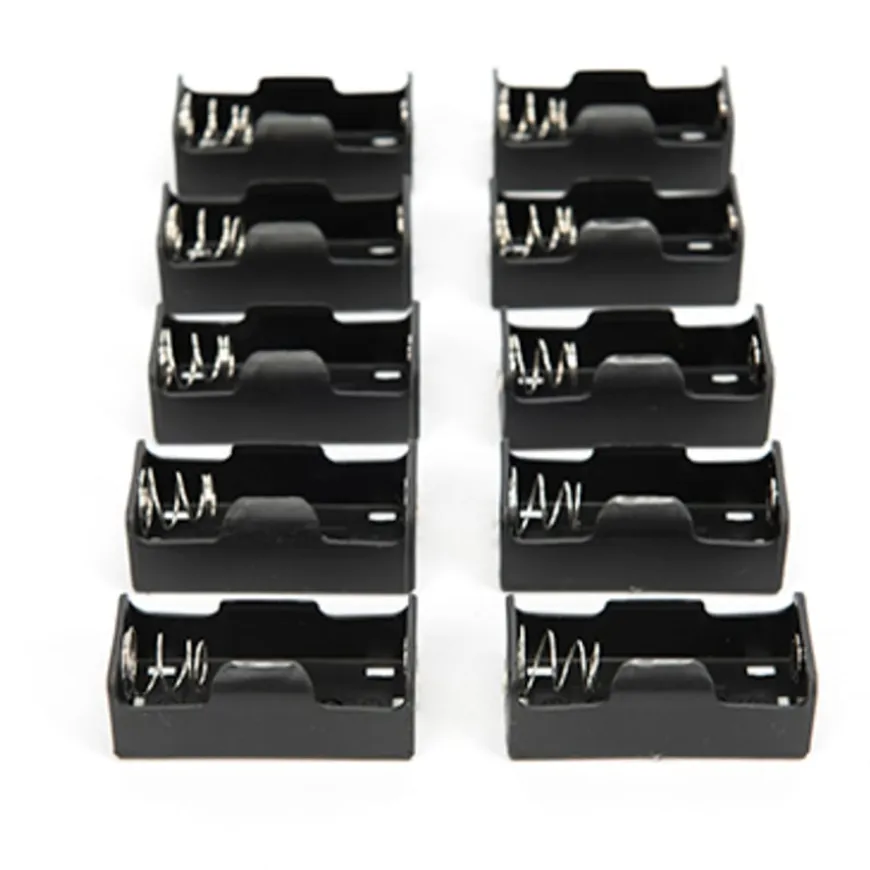
1 x C Battery Holders 10pk
Original price was: £4.56.£3.72Current price is: £3.72.
Helping to Support Teaching and Learning
-
Secure Battery Installation
-
Designed to securely hold a ‘C’ type battery, which is required for constructing simple school project circuits.
-
Educational Compatibility
-
Aligned with educational aims concerning electricity, these battery holders support the creation of series circuits which include identifying parts such as cells, wires, bulbs.
-
Enhanced Safety Features
-
Recommended for zinc chloride batteries, ensuring safer usage by reducing the risk of high currents that may occur during experiments.
-
Versatile Learning Tool
-
Facilitates a variety of electrical experiments, making it a fitting tool for exploring practical applications in educational settings.
-
Curriculum Support
-
Aids learners in comparing how various circuit components function differently, such as changes in bulb brightness or buzzer loudness.
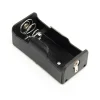
1 x C Battery Holders
A single-cell battery holder that simplifies circuit assembly without needing battery snaps.
Overview
-
Optimised for use with zinc chloride batteries, this holder is useful for safely conducting electricity experiments.
-
This battery holder is for integrating a ‘C’ size battery into educational electronics and circuits, enhancing learning experiences in primary schools. It facilitates safe and effective lessons on constructing simple circuits, crucial for grasping basic electronic configurations.
-
Ideal for the science curriculum, this battery holder enables pupils to learn about and build simple series circuits, identifying essential parts like cells, wires, and bulbs. This practical device can translate complex theoretical concepts into engaging, hands-on classroom activities.
-
Through direct experimentation, children gain a deeper knowledge of electrical principles.
-
Please note: Not suitable for use with alkali batteries as overheating issues can arise. Recommended for use with zinc chloride batteries.
Supports the National Curriculum
Science, Year 4, Electricity
Construct a simple series electrical circuit, identifying and naming its basic parts, including cells, wires, bulbs, switches and buzzers.
Science, Year 4, Electricity
Identify whether or not a lamp will light in a simple series circuit, based on whether or not the lamp is part of a complete loop with a battery.
Science, Year 6, Electricity
Compare and give reasons for variations in how components function, including the brightness of bulbs, the loudness of buzzers and the on/off position of switches.
Product Information
Overview
-
Suitable for age 5 years and up
-
10
Age Range
Pack Size
Be the first to review “1 x C Battery Holders 10pk”
Related products


Babies & Toddlers
Festivals & Celebrations

Festivals & Celebrations

Communication, Language & Literacy

Festivals & Celebrations
Early Years

Festivals & Celebrations

Early Years


Festivals & Celebrations

Construction

Babies & Toddlers

Pe & Outdoor


Early Years


Art & Craft
Boxes & Containers
Early Years
Reviews
There are no reviews yet.